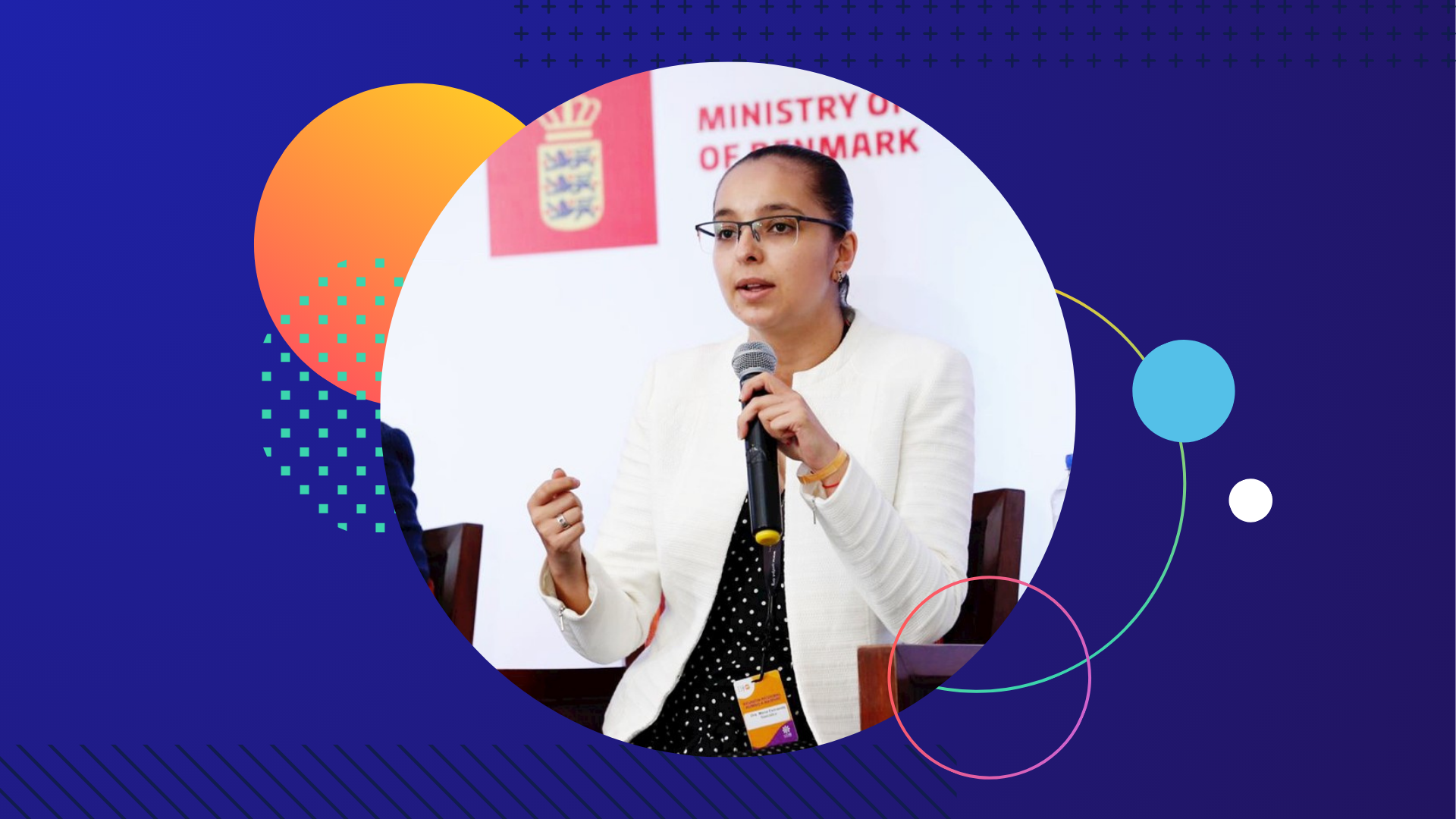
Global Health Equity Week Member Spotlight: María Fernanda González Alvarez, MD, MHM, MBA, CAHIMS
In celebration of Global Health Equity Week, we are spotlighting Dr. María Fernanda González Alvarez, a clinician and digital health strategist dedicated to making innovation work for everyone. Through her leadership in EMR projects across Latin America and her commitment to inclusive digital transformation, she is helping ensure technology closes gaps in care rather than widening them. For Dr. González Alvarez, advancing health equity means designing solutions rooted in empathy, understanding and the belief that every patient deserves to be seen, heard and served.
HIMSS: What does health equity mean to you in your work?
For me, as both a clinician and a digital health strategist, health equity means ensuring that technology doesn’t widen existing gaps in care. It’s about making sure that innovation serves everyone, not just those already within reach of healthcare. I’ve witnessed how mobile platforms and AI-driven triage tools allowed hundreds of people to access timely medical guidance during the pandemic, often their first interaction with a healthcare professional, or even the healthcare system itself. I’ve also had the opportunity to lead EMR clinical projects across Latin America, where I’ve seen how digital transformation can reduce disparities when it’s built with empathy and understanding. Real equity is about giving patients the dignity of being understood, heard and seen.
HIMSS: What advice would you give to others working to drive innovation and equity in health IT?
Lead with curiosity. Before designing any digital solution, take time to understand how clinicians and patients actually experience care. When implementing electronic medical records across hospitals, I’ve seen how even a single unnecessary click can become a burden for a clinician already under pressure, and how that frustration can lead to rejection or abandonment of a system meant to help them. The same applies to patients, if a tool isn’t intuitive or functional, it simply won’t be used, unintentionally widening the very gaps in access to care that technology was meant to close.
True innovation requires inclusivity, not only in who benefits from technology, but in who helps design it. That means bringing diverse voices to the table, from doctors, nurses, and IT teams to patients with different cultural or physical needs. Technology can only drive equity when it’s built with and for real people.
HIMSS: Looking to the future, what gives you hope about the role of technology in advancing global health equity?
I see hope in the new generations of health professionals who understand that digital health isn’t just about more tools, but about fairer access and greater inclusion.
I believe the convergence of data analytics, artificial intelligence, and connectivity holds real promise, allowing us to intervene earlier than ever and reach populations that have historically been underserved. But what truly gives me hope is the mindset shift: it’s not about the technology itself, but about the people, about building healthier, more empowered communities!
-
Global Health Equity Week - November 10–14, 2025
Join a week of conversation and action focused on equitable AI, veterans’ health, inclusive policy, digital access, and data for impact.