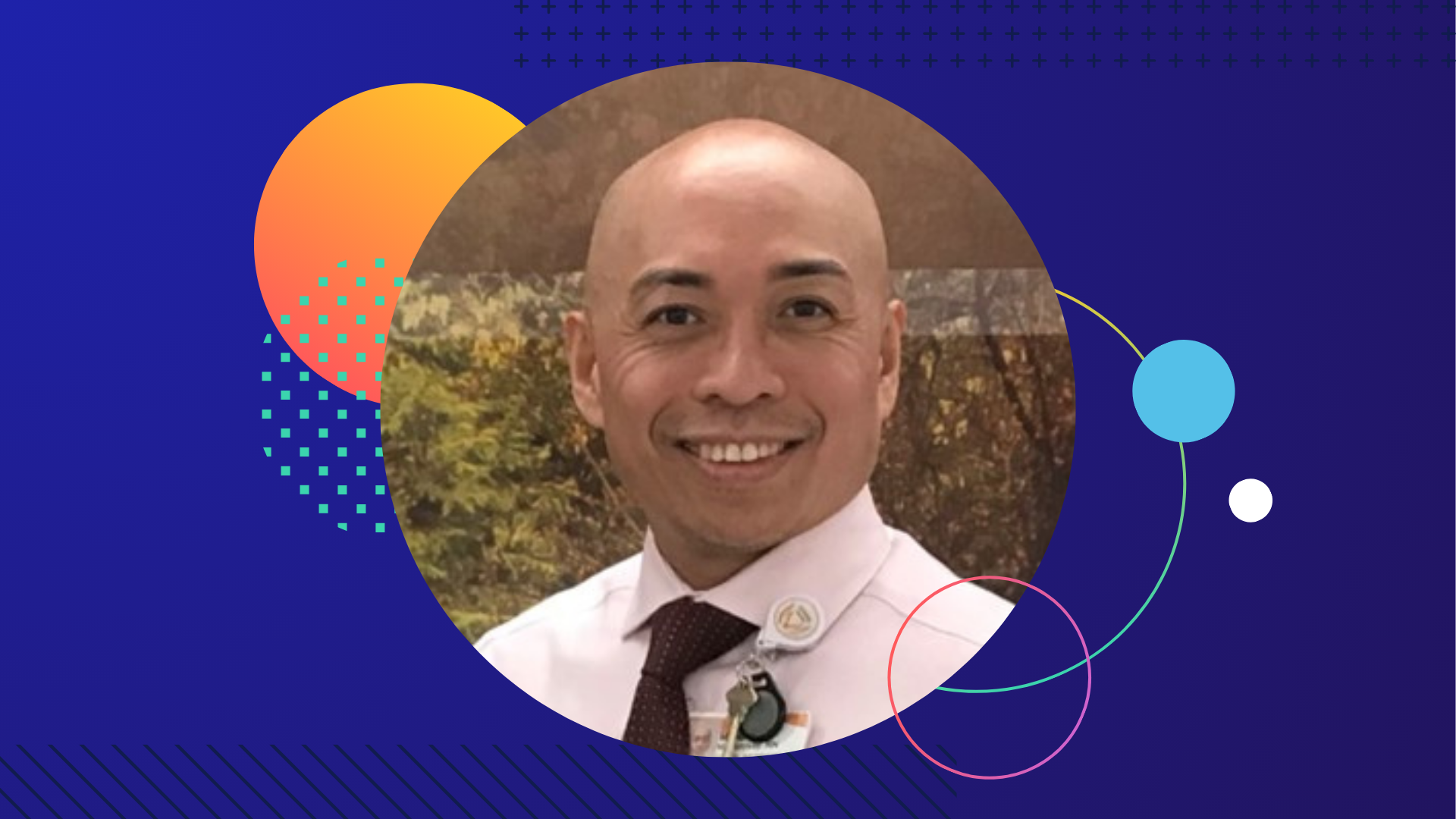
HIMSS Nurses Month 2026 Member Spotlight: Transforming Care Through Informatics
Mario Magsaysay, MBA, MHA, RN, CPHIMS, Principal Clinical Informatics Nurse, Kaiser Permanente Southern California and Hawai'i Markets
At HIMSS, May is National Nurses Month, a time to recognize and celebrate the impact nurses have on improving lives and shaping the future of healthcare. HIMSS is proud to spotlight members of the nursing informatics community whose expertise, innovation, and leadership are transforming care delivery beyond the bedside. From advancing digital health to influencing strategy and technology, these professionals exemplify the vital role nurses play in driving meaningful change. Join us in honoring their contributions and the lasting impact they make across healthcare.
Interested in getting involved? We welcome you to join the nursing informatics community and connect with peers who are shaping the future of digital health. To learn more, reach out to us at nursinginformatics@himss.org
This week, we explore the impact of nursing informatics on care delivery and clinical workflows. From improving efficiency to enhancing patient safety, informatics is a key driver of meaningful change across healthcare systems. Nurses in this space are elevating the profession by demonstrating the value of data, technology, and interdisciplinary collaboration.
HIMSS: What challenges do nurses face today that informatics can help solve?
Mario Magsaysay: Nurses and clinicians regularly work with multiple technologies and face heavy documentation burdens, alert fatigue, and staffing challenges. These competing demands increase cognitive load and pull them away from direct patient care, contributing to frustration and burnout. Nursing informatics addresses these issues by optimizing EHR to streamline workflows and documentation, reduce unnecessary alerts, and integrate tools that simplify daily tasks. By aligning technology with clinical workflows, informatics gives time back to nurses—resulting in more time at the bedside, safer care, improved efficiency, and better patient outcomes.
HIMSS: Can you share an example of how informatics has reduced burden or improved efficiency?
Mario Magsaysay: EHR optimization streamlines documentation, reduces redundancy, and saves valuable clinical time. By redesigning workflows in the EHR system, nurses can chart more efficiently with fewer clicks and less duplication. Tools like barcode medication administration and IV pump integration not only simplify documentation but also strengthen medication safety by ensuring accuracy at the point of care. Emerging agentic AI embedded in the EHR helps clinicians quickly retrieve relevant information, summarize data, and accelerate documentation. Together, these advancements reduce cognitive burden, improve efficiency, enhance workflows, and increase nursing satisfaction while supporting safer patient care.
HIMSS: Why is it important to elevate the visibility and value of nursing informatics?
Mario Magsaysay: Nursing informatics integrates nursing science, information technology, and patient care to improve how care is delivered. Nursing informaticians understand clinical workflows and anticipate how new technologies will impact clinicians, efficiency, and patient outcomes. They ensure nurses have a strong voice in technology decisions, helping design and optimize solutions in the EHR system so they truly support frontline care. They also bridge the gap between clinical teams and IT by translating operational needs into practical, scalable solutions and driving adoption through training and change management. By aligning people, process, and technology, nursing informatics enables digital transformation, improves safety, enhances user experience, and drives better patient outcomes.
HIMSS: One word to describe the future of nursing:
Mario Magsaysay: Augmented, meaning nurses will not be replaced by technology; they will be supported by it—enabling greater efficiency and safer patient care.
HIMSS: The biggest challenge for nurses in the next 5 years and how we can address it :
Mario Magsaysay: Over the next five years, nurses will face growing demands to interact with more technology while managing increasing patient complexity and evolving healthcare regulations. They will also need to adapt to AI-driven tools in their daily workflows, requiring new skills, ongoing training, and strong informatics support to ensure these technologies enhance care rather than add burden.
-
Join Us as We Reimagine Health Through Information and Technology
At HIMSS, our vision is to realize the full health potential of every human, everywhere. Be part of the community that’s transforming the global health ecosystem with courage, curiosity and determination.